Technology
JT/T 808 and JT/T 1078 Explained: Fleet Video Protocols
JT/T 808 carries position, alarms and commands between a vehicle device and a platform. JT/T 1078 adds video. Check the edition and the server protocol first.
By Kumar Saurabh, Head of Overseas Business, SKYWONDER
, 3 min read
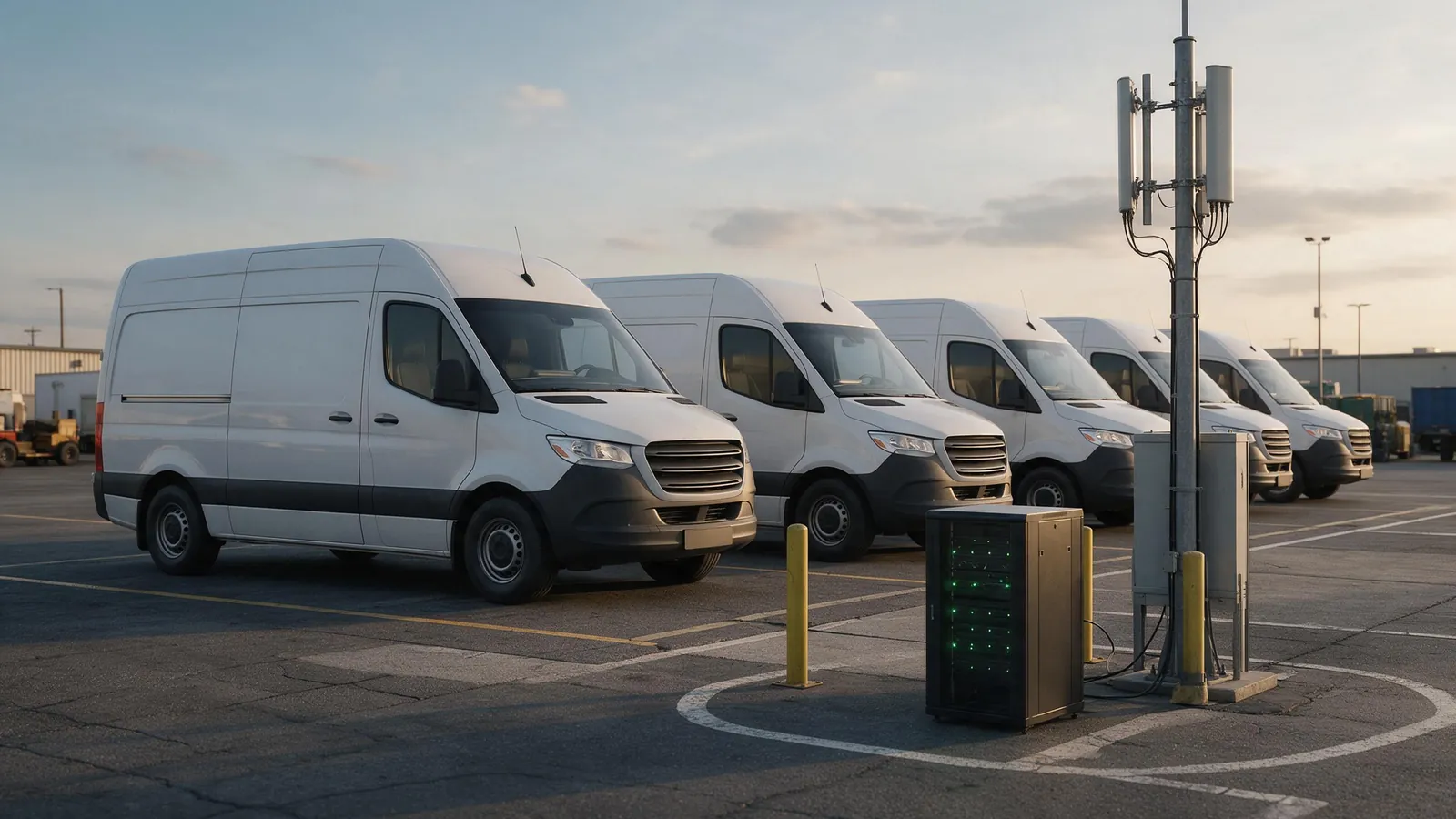
JT/T 808 and JT/T 1078 are Chinese transport-industry standards that define how a vehicle device talks to a monitoring platform. JT/T 808 covers registration, position reports, alarms and commands. JT/T 1078 adds live and recorded video. If your dashcam or MDVR and your fleet platform both support them, and both are set to the same edition, the two can exchange position, alarms and video without a custom integration.
We build devices that speak these protocols and a platform that receives them. The faults described below are the ones we see when a customer connects our hardware to a platform that is not ours.
What JT/T 808 covers
JT/T 808 is the base protocol. The device, called the terminal, opens a connection to the platform's server and exchanges messages. Each message has an ID, the terminal's number, a serial number and a check code. The ones you meet first are:
| Message ID | Direction | Purpose |
|---|---|---|
| 0x0100 | Terminal to platform | Terminal registration |
| 0x8100 | Platform to terminal | Registration response, carrying the authentication code |
| 0x0102 | Terminal to platform | Authentication, using that code |
| 0x0002 | Terminal to platform | Heartbeat |
| 0x0200 | Terminal to platform | Position report: location, speed, direction, status and alarm flags |
| 0x8001 | Platform to terminal | General response |
Position reports carry status and alarm bits, such as ignition, overspeed and emergency, and can carry extra items such as mileage. Commands from the platform set parameters, request a position or control the terminal.
What JT/T 1078 adds
JT/T 1078 extends JT/T 808 for video. The platform asks the terminal for a stream, and the terminal sends the video to a media server over a separate connection:
- Live video. The platform sends a real-time request (0x9101) naming the channel and whether it wants the main stream or the sub-stream.
- Recorded video. The platform asks for the list of recordings in a time range (0x9205), then requests playback (0x9201) or an upload of the file.
- Audio. The same mechanism carries listening and two-way intercom.
The related standard JT/T 1076 sets the technical requirements for the in-vehicle video terminal itself.
Editions matter
JT/T 808 was published in 2011 and revised in 2013 and 2019. The 2019 edition changed the message header, including a longer terminal number and a version flag, so a platform expecting one edition will not parse the other. The edition is chosen in the device's server settings: the D9 and S202 offer 2013 and 2019, and the WD02 and WD12 offer 2011 and 2019. Set the device and the platform to the same one before you look for any other fault.
What you need to connect a device
- The server protocol set to JT/T 808. The WD02 ships set to our own platform protocol, and a factory reset puts the setting back. That is the first thing to check when a device that used to report stops registering.
- The server address and port of the platform, or of its 808 gateway.
- The terminal number, sometimes called the device or phone number, registered on the platform in advance.
- The edition of JT/T 808 the platform expects.
- The vehicle's plate number and terminal ID, which the platform may check at registration.
Nothing has to be entered for video: the platform sends the media server's address with each stream request.
Which of our devices support them
| Device | Protocols |
|---|---|
| D9 dashcam | JT/T 808 (2013 and 2019), JT/T 905, JT/T 1078 |
| WD02 dashcam | JT/T 808 (2011 and 2019), JT/T 1076, JT/T 1078 |
| S202 camera | JT/T 808 (2013 and 2019), JT/T 1076, JT/T 1078 |
| WD12 recorder | JT/T 808 (2011 and 2019), JT/T 905.2, JT/T 1076, JT/T 1078, GB/T 28181 |
They also report to our own Traqcare platform, and the D9 can report to two platforms at the same time. The WD10 recorder can keep up to four platform connections open at the same time; ask us which protocols the current WD10 and WD11 firmware offers. If you run a third-party platform, tell us which edition it uses and we confirm the settings before you order.
Other standards you may see
- GB/T 28181 is a national standard for connecting video surveillance devices to a platform. The WD12 supports it alongside JT/T 1078.
- JT/T 905 is the equivalent family of standards for taxis. The D9 and WD12 support it.
Short definitions of these terms are in our glossary.
Frequently asked questions
What is JT/T 808?
What is the difference between JT/T 808 and JT/T 1078?
Can a JT/T 808 dashcam work with any fleet platform?
Which edition of JT/T 808 should I use?
Mentioned in this guide
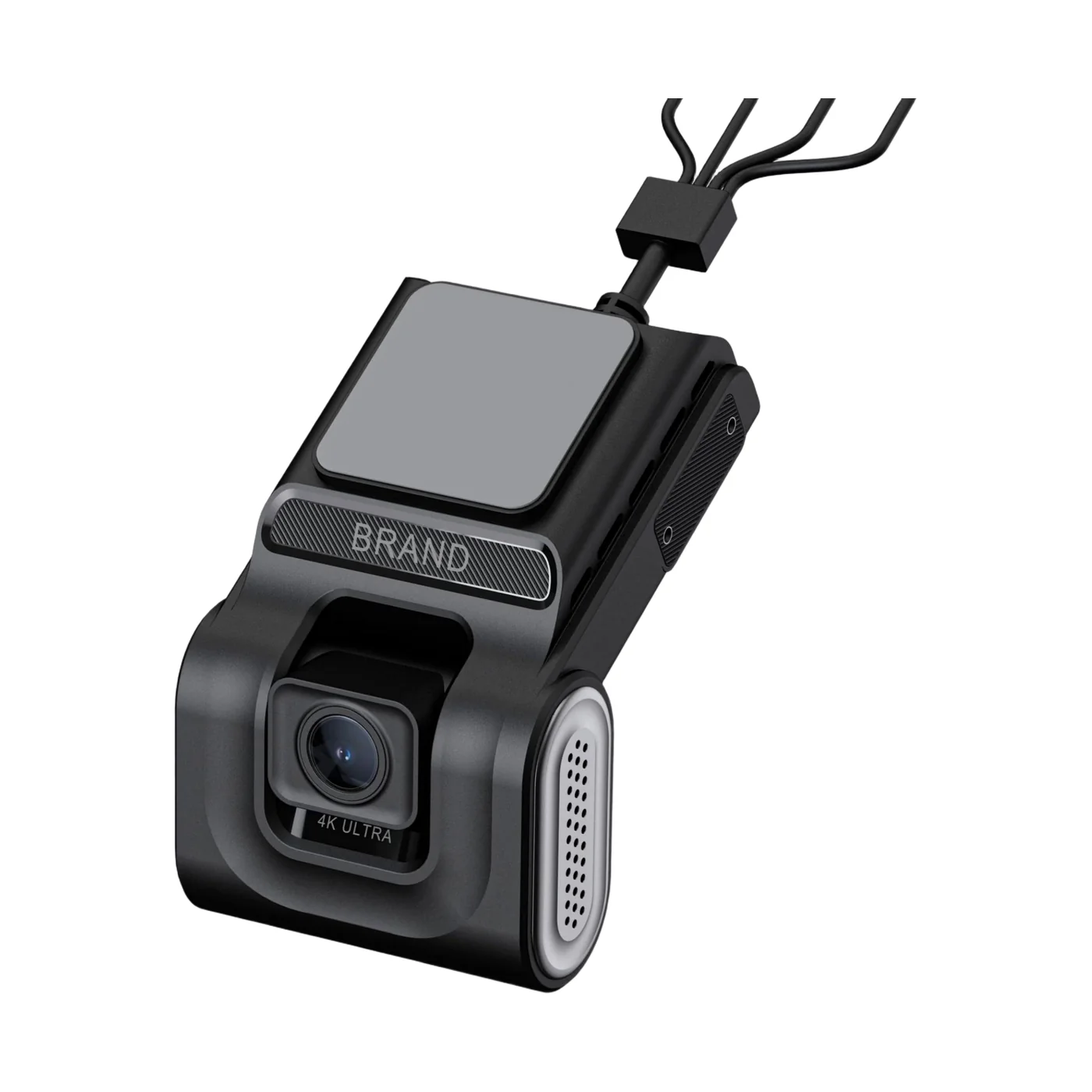
4G AI dashcam: 1080p road and cabin lenses, up to four cameras
- Road and cabin in one unit
- ADAS and DMS
- Expandable to four cameras
Read next
Technology, Oct 1, 2026, 3 min read
How Much 4G Data Does a Fleet Dashcam Use?
Tracking uses about 17 MB a month and live video about 40 to 60 MB per camera-hour. Our worked example for one van comes to about 1.1 GB a month.
Technology, Apr 27, 2025, 3 min read
Wired vs Wireless Dash Cams: Which One for a Fleet?
A wired dashcam keeps footage on its memory card. A wireless one adds Wi-Fi or 4G to get it off. A fleet that must see incidents as they happen needs 4G.
Buying guides, Oct 1, 2026, 3 min read
How Many Cameras Does a Truck, Bus or Van Need?
Vans and taxis need two cameras, trucks three or four and buses four to eight. Start from the views you would want after an incident.
Not sure which camera fits your fleet?
Tell us your vehicles and what you need to see. An engineer recommends a setup, usually within 2 hours.