Installation & power
Does a Dash Cam Drain the Battery? Myths vs Facts
Our WD02 dashcam draws about 420 mA while recording and 6 mA in standby. When a dashcam drains a battery, and how a low-voltage cutoff prevents it.
By Winnie Huang, Solution Manager
, updated , 3 min read
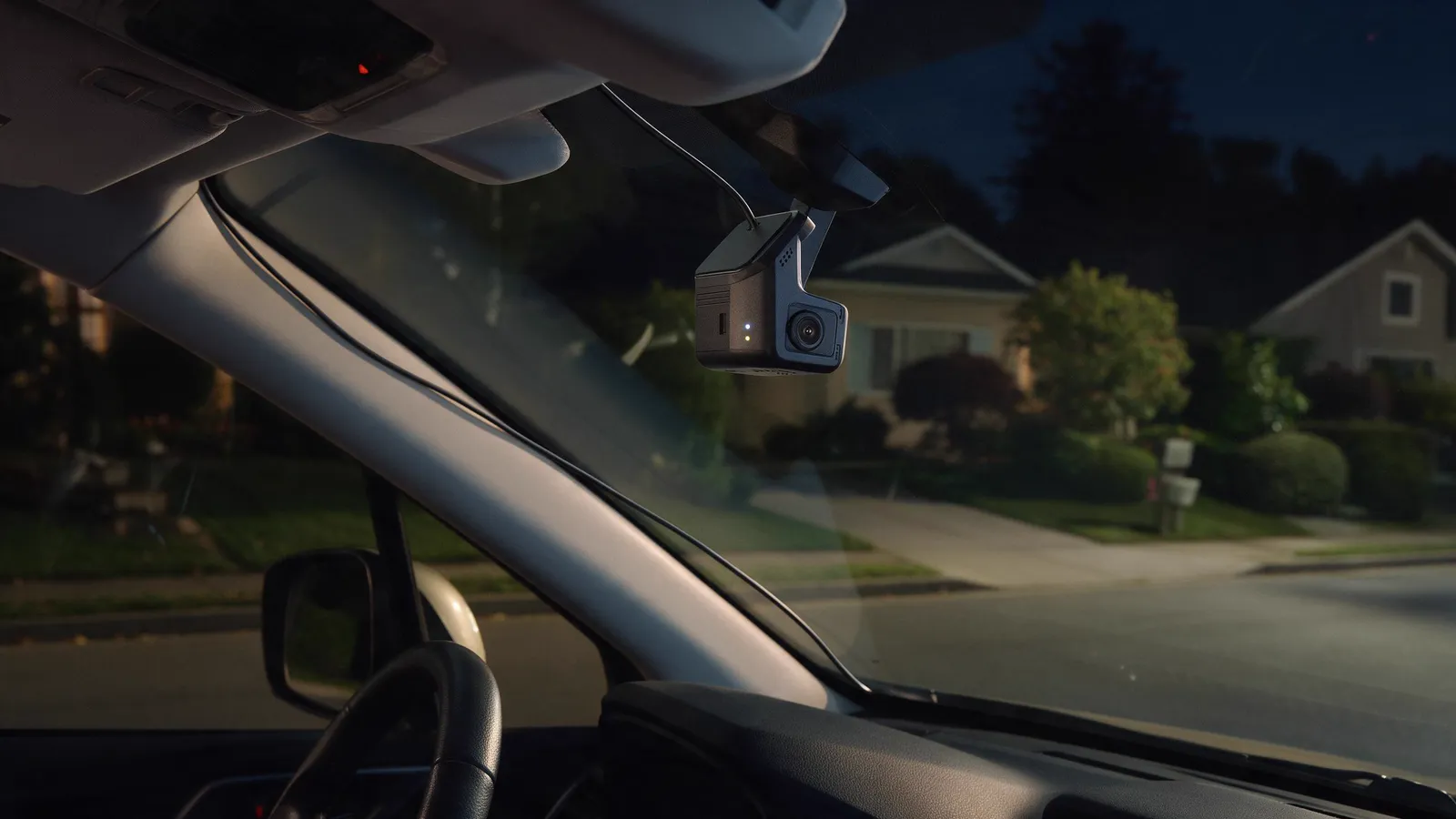
A dashcam drains a vehicle battery only if it stays powered while the engine is off. On a 12 V socket that switches off with the ignition, it draws nothing when parked. When it is hardwired to record while parked, a low-voltage cutoff switches it off before the battery is too low to start the engine. Problems come from parked recording without a cutoff, a weak battery, or a vehicle left parked for days.
Fleet customers ask us this before almost every installation. These are the figures we give them.
How much a camera draws
| Device | Draw while recording | Notes |
|---|---|---|
| WD02 dashcam | About 420 mA, about 5 W at 12 V | 6 mA in standby |
| A6 dashcam | Not published | 3 mA or less in deep sleep, ignition off |
| S202 camera | Under 5 W | 9–36 V input |
| WD10 and WD11 recorders | 10 W or less | 10–36 V input |
| WD12 recorder | Under 12 W | Without cameras; 9–36 V input |
A camera that draws 420 mA, as the WD02 does while recording, takes 0.42 Ah from the battery in an hour, 4.2 Ah in ten hours and about 10 Ah in a full day. Compare that with the amp-hour rating printed on the vehicle's battery. In standby at 6 mA, a full day takes 0.14 Ah. A recorder drawing 12 W on a 12 V vehicle takes 1 A, or 24 Ah in a day, which is why parked recording on an MDVR needs a time limit.
What keeps the last file safe
- Supercapacitor. The D9 and D2 use one. It stores enough energy to finish writing the last file when power is cut, and it tolerates heat better than a battery.
- Small built-in battery. The A5 and A3 have a 180 mAh battery. It is too small to record while parked.
- External battery pack. A separate pack can power a dashcam while parked, so the vehicle battery is not used at all.
When drain happens
Parked recording is where the risk is, because the camera keeps running with the engine off. The risk rises when:
- the vehicle is parked for more than a day or two,
- the battery is old or already weak, or
- there is no low-voltage cutoff.
Our models differ in how they record while parked:
- The A18 captures video and sends an alert if a collision is detected.
- The A5 and A3 have 24-hour parking monitoring that records abnormal events.
- The A6 sleeps at 3 mA or less with the ignition off, about 0.07 Ah a day, and its G-sensor locks the clip if a collision is detected.
- The B5 offers time-lapse recording with a hardwire kit.
- The D9 can be viewed remotely with the ignition off when it has constant power.
- The WD10 and WD11 recorders keep recording for a set time after the ignition is switched off, up to 24 hours.
Wiring it safely
- 12 V socket. The simplest option. Where the socket switches off with the ignition, there is no drain and no parked recording.
- Hardwiring. Needed for parked recording. Use a hardwire kit with a low-voltage cutoff. On 12 V vehicles, kits commonly offer settings between 11.6 V and 12.4 V; a higher setting protects the battery more and shortens the recording.
- Built-in protection. The WD02's own low-voltage shutdown can be set between 8.5 V and 11.5 V. That is below a hardwire kit's range, so treat it as a backstop, not as the cutoff. The WD12 monitors the supply and raises an alert when it falls below the level you set.
- Fuses. Use fuse taps of the correct rating, on the correct constant and ignition circuits.
- Battery. Test it first. A weak battery struggles with any parked load.
Signs the dashcam is draining the battery
- The engine cranks slowly after the vehicle has been parked.
- The battery goes flat after one or two days parked.
To check, disconnect the dashcam for two days. If the problem goes away, raise the cutoff voltage or shorten the parked recording time. If you are planning a fleet installation, contact us and we will help you choose the wiring for your vehicles.
Frequently asked questions
Does a dashcam drain the battery when the car is off?
How much current does a dashcam draw?
What cutoff voltage should I set?
Is hardwiring a dashcam safe?
Mentioned in this guide
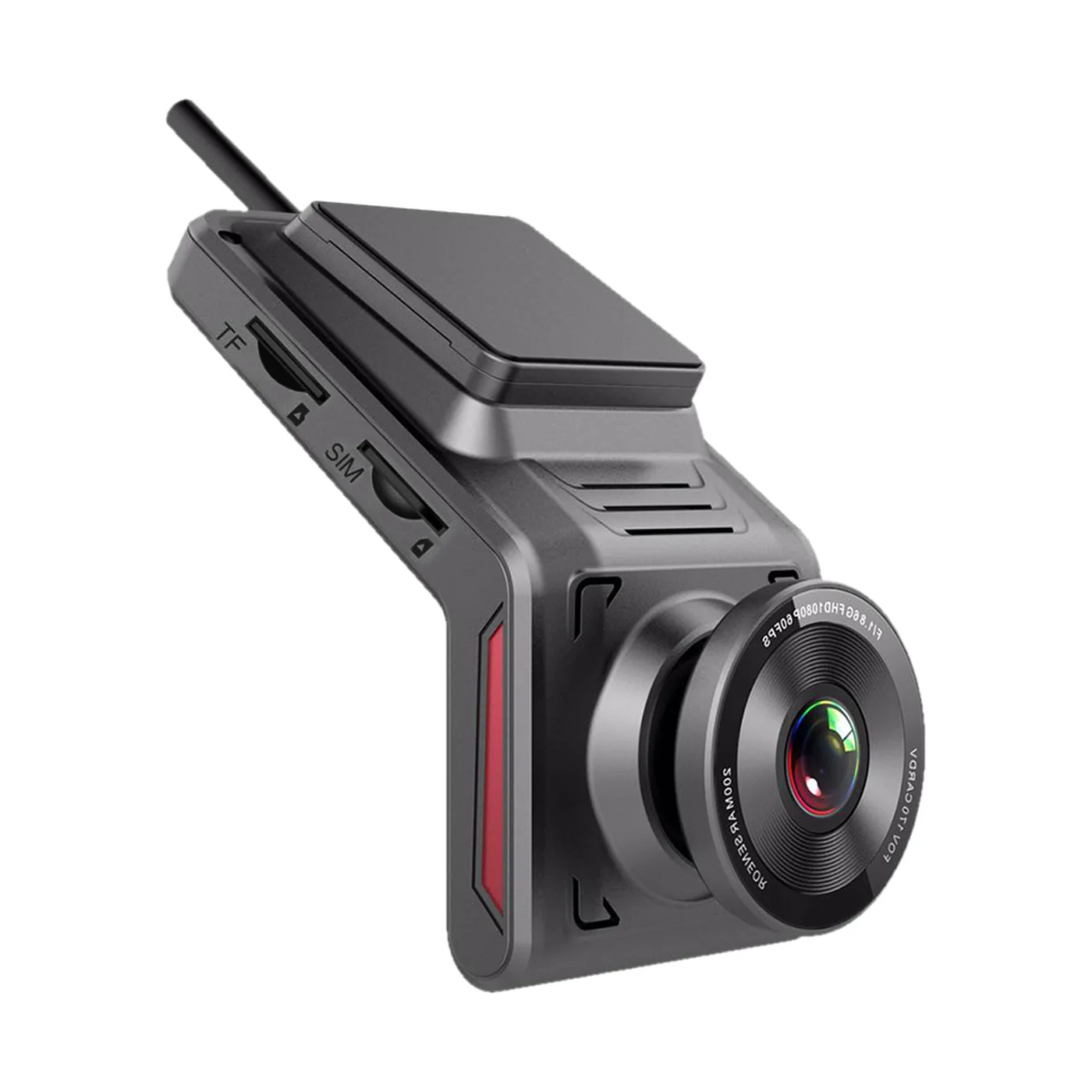
1080p 4G dashcam with a second camera, 2-inch screen and voice
- Two-way voice
- Front and second camera
- Tracking and remote video
Read next
Buying guides, Oct 1, 2026, 3 min read
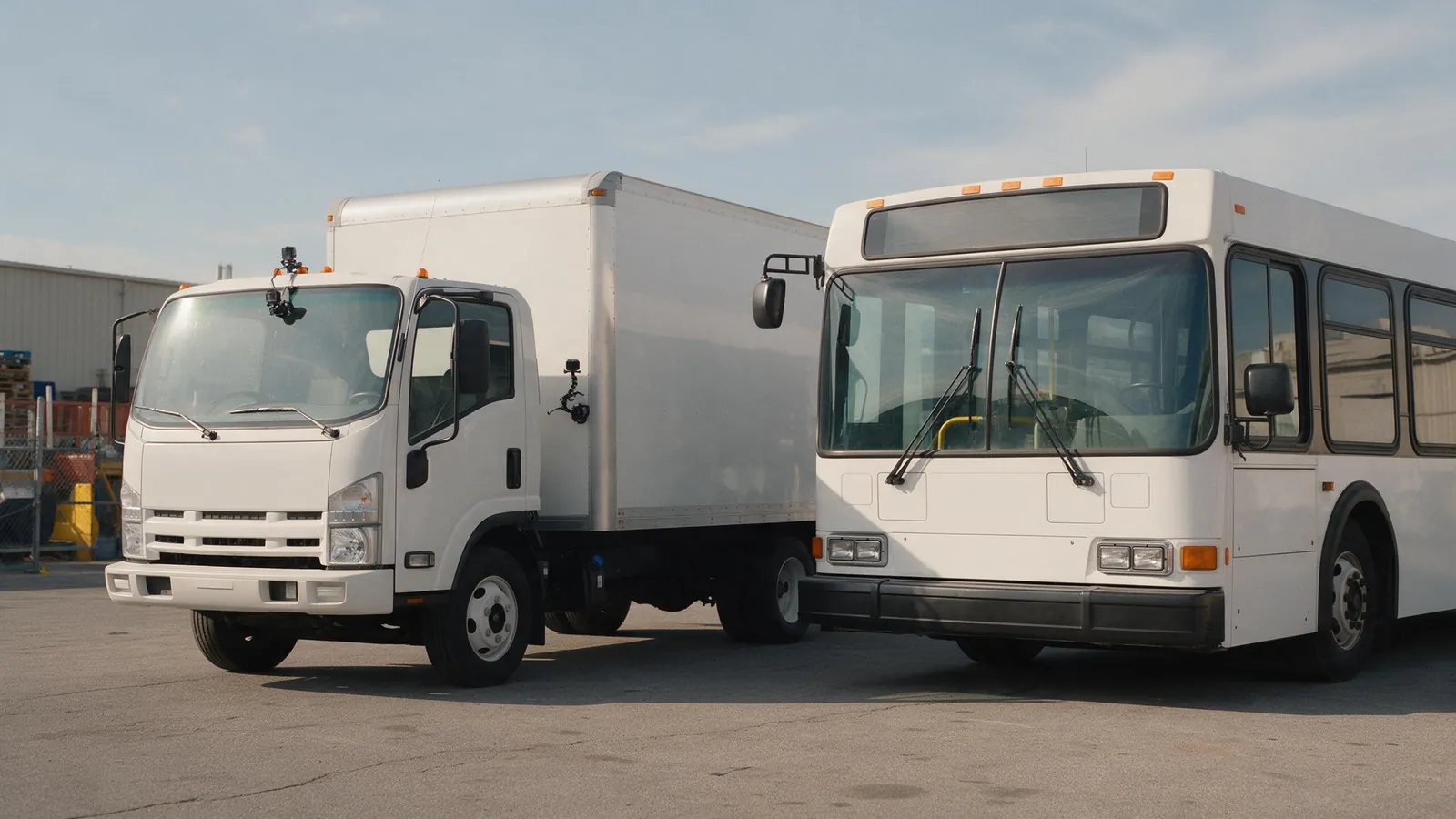
How Many Cameras Does a Truck, Bus or Van Need?
Vans and taxis need two cameras, trucks three or four and buses four to eight. Start from the views you would want after an incident.
Fleet safety, Oct 1, 2026, 3 min read
ADAS, DMS and BSD Explained: What Each Fleet Camera Alert Does
ADAS watches the road, DMS watches the driver and BSD watches the blind spot. Each needs its own camera, and our devices differ in the alerts they give.
Technology, Oct 1, 2026, 3 min read
JT/T 808 and JT/T 1078 Explained: Fleet Video Protocols
JT/T 808 carries position, alarms and commands between a vehicle device and a platform. JT/T 1078 adds video. Check the edition and the server protocol first.
Not sure which camera fits your fleet?
Tell us your vehicles and what you need to see. An engineer recommends a setup, usually within 2 hours.