Fleet safety
ADAS, DMS and BSD Explained: What Each Fleet Camera Alert Does
ADAS watches the road, DMS watches the driver and BSD watches the blind spot. Each needs its own camera, and our devices differ in the alerts they give.
By Kumar Saurabh, Head of Overseas Business, SKYWONDER
, 3 min read
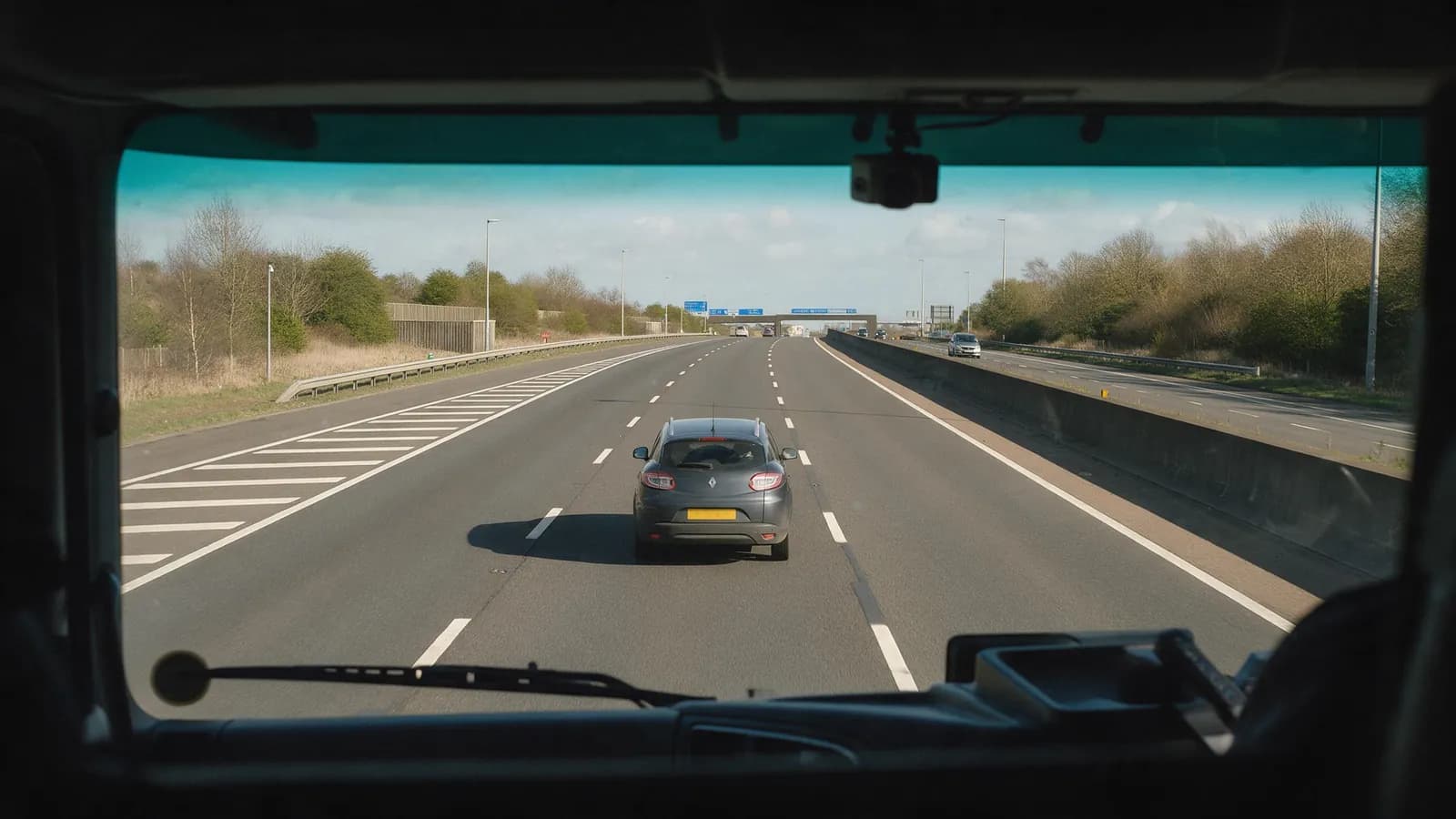
ADAS, DMS and BSD are three AI alerts on fleet cameras, each with its own camera view. ADAS (advanced driver assistance system) watches the road ahead. DMS (driver monitoring system, also written DSM) watches the driver. BSD (blind spot detection) watches the side of the vehicle. Each warns the driver in the cab, then sends the event to the fleet platform.
ADAS: the road ahead
An ADAS camera faces forward from the top of the windscreen. Its software measures lanes, vehicles and people in the picture and gives these warnings:
- Forward collision warning (FCW). The gap to the vehicle ahead is closing too fast.
- Lane departure warning (LDW). The vehicle drifts across a lane marking.
- Pedestrian collision warning (PCW). A person is detected in the vehicle's path.
- Headway monitoring (HMW). The following distance, measured in seconds, is too short.
- Front vehicle start. The vehicle ahead has moved off and yours has not.
Fleets fit ADAS to buses, trucks and delivery vehicles for the forward-collision and lane-departure warnings, and use the logged events in driver coaching.
DMS: the driver
A DMS camera faces the driver and uses infrared light, so it works at night. It follows the eyes, the mouth and the head position. What it alerts on depends on the device:
| Device | DMS alerts |
|---|---|
| D9 | Yawning, closed eyes, distraction, smoking, blocked camera |
| WD02 (optional) | Yawning, closed eyes, phone use, smoking, looking away, seatbelt, blocked camera |
| WD10 and WD11 | Closed eyes, yawning, distraction, phone calls, smoking, face lost, blocked camera |
| WD12 | Fatigue, distraction, smoking |
| S202 (optional) | Fatigue, smoking, blocked camera, unsafe driving behaviour |
| DSM Camera | Closed eyes, head nodding |
| AHD005 | Drowsiness, yawning, closed eyes, distraction, hat or helmet |
BSD: the blind spot
A BSD camera is mounted on the side of a truck or a bus and looks along the body. It detects vehicles, cyclists and pedestrians in the zone the mirrors do not cover, and the recorder raises a left or right blind-zone alarm. Our BSD Camera records 1920 × 1080, and its viewing angle adjusts from 120° to 170° to suit the length of the vehicle. Fit the side furthest from the driver first.
What the three have in common
| ADAS | DMS | BSD | |
|---|---|---|---|
| Camera faces | The road ahead | The driver | The side of the vehicle |
| Mounted | Top of the windscreen, centred | Dashboard or A-pillar; in the windscreen unit on the D9 | Vehicle body |
| Covers | Rear-end and lane incidents | Fatigue and distraction | Side-swipes, cyclists |
| Needs | Calibration to the lane and the horizon | A clear view of the face | The detection zone set to the vehicle |
Three practical points:
- Calibration decides accuracy. After mounting, the camera has to be set up for its height and angle. A badly aimed camera gives false alarms, and drivers soon ignore it.
- Alerts depend on speed, in both directions. On the D9, ADAS and DMS alerts are active above 30 km/h, so parking manoeuvres do not trigger them. On the ADAS Camera, lane-departure warning starts at a speed you set, and pedestrian detection works below 50 km/h.
- The clip matters as much as the beep. The warning helps the driver in the moment; the uploaded clip lets a manager review the event and coach on what actually happened.
Which of our products have what
| Product | ADAS | DMS | BSD |
|---|---|---|---|
| D9 dashcam | Yes | Yes | No |
| WD02 dashcam | Optional | Optional | Optional |
| D3 dashcam | Yes | No | No |
| S202 camera | No | Optional | Optional, in place of DMS |
| WD10 and WD11 recorders | With an ADAS Camera | With a DSM camera | With up to two BSD cameras |
| WD12 recorder | With a road-facing camera | With a driver-facing camera | Optional |
Short definitions of these and related terms are in the glossary.
Frequently asked questions
What is the difference between ADAS and DMS?
Is DMS the same as DSM?
Do ADAS alerts work at low speed?
Does a dashcam with ADAS brake the vehicle?
Mentioned in this guide
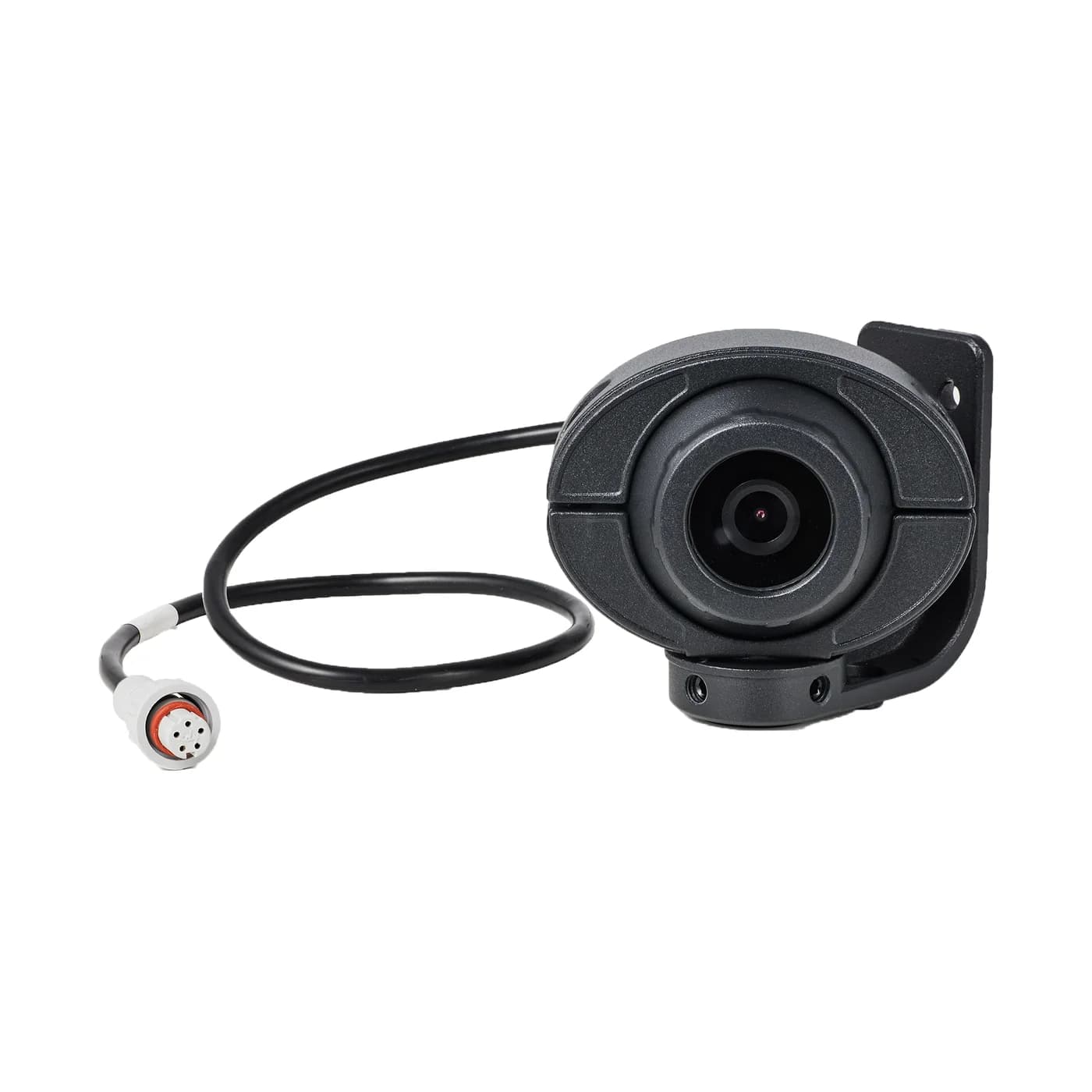
Side-mounted 1080p blind-spot camera with night vision for MDVR
- Covers the blind spot
- Adjustable 120°–170°
- Records through the MDVR
Read next
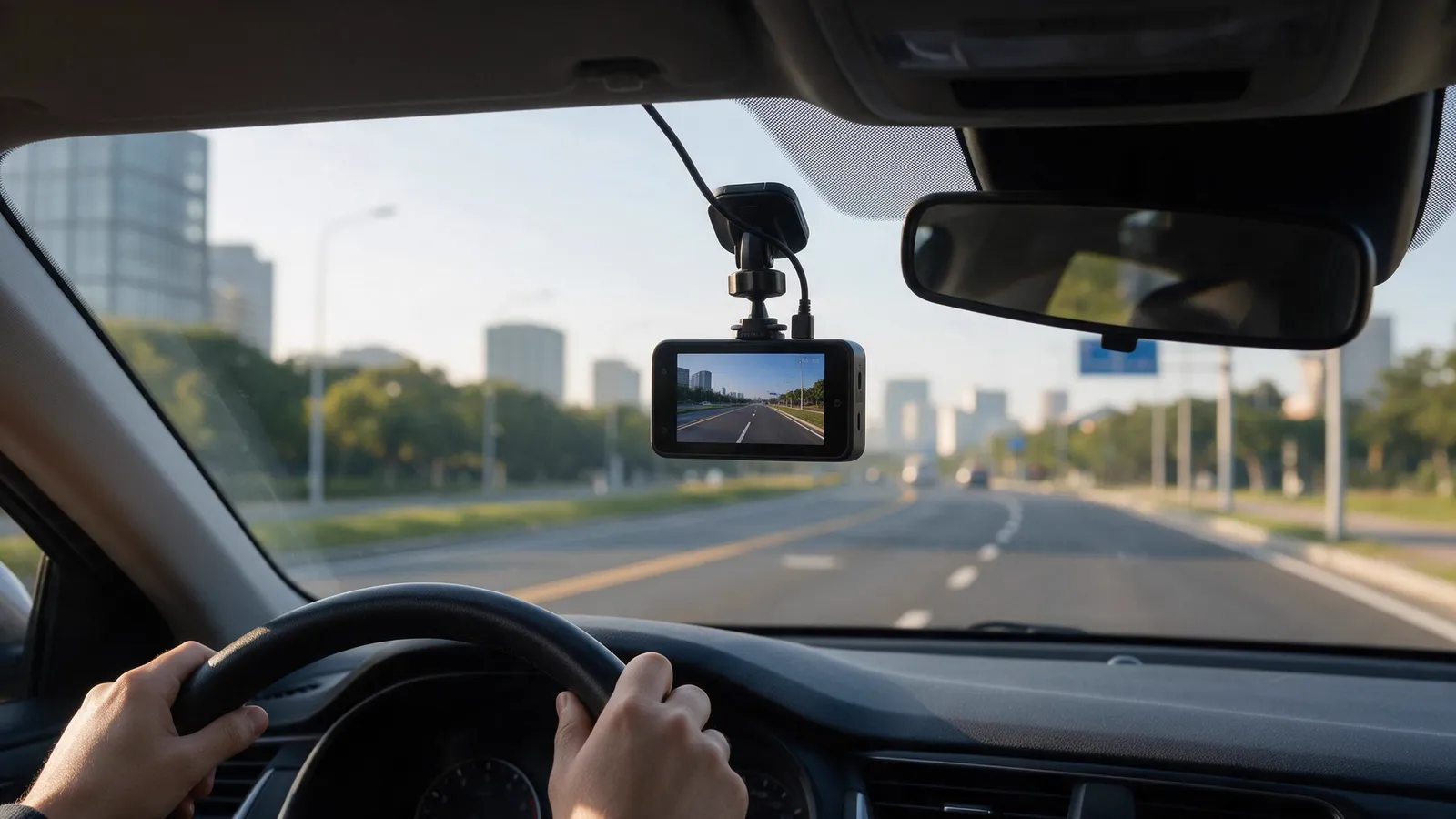
Fleet safety, May 2, 2025, 3 min read
Benefits of a Dash Cam: Why Install One in Your Vehicle
A dashcam gives you video of what happened on the road. Six benefits for drivers and fleets, the drawbacks, and what to look for in a model.
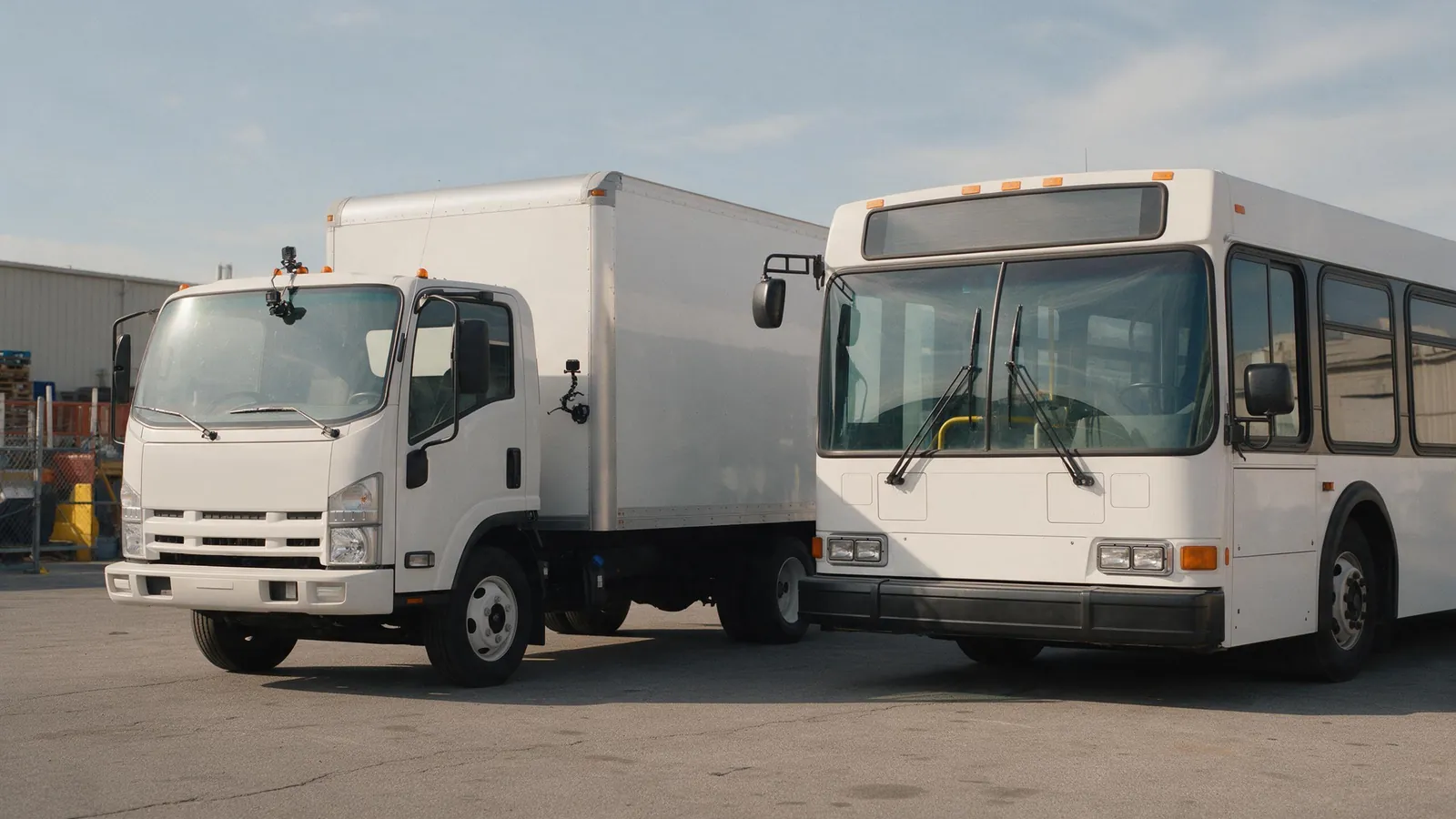
Buying guides, Oct 1, 2026, 3 min read
How Many Cameras Does a Truck, Bus or Van Need?
Vans and taxis need two cameras, trucks three or four and buses four to eight. Start from the views you would want after an incident.
Technology, Oct 1, 2026, 3 min read
JT/T 808 and JT/T 1078 Explained: Fleet Video Protocols
JT/T 808 carries position, alarms and commands between a vehicle device and a platform. JT/T 1078 adds video. Check the edition and the server protocol first.
Not sure which camera fits your fleet?
Tell us your vehicles and what you need to see. An engineer recommends a setup, usually within 2 hours.